
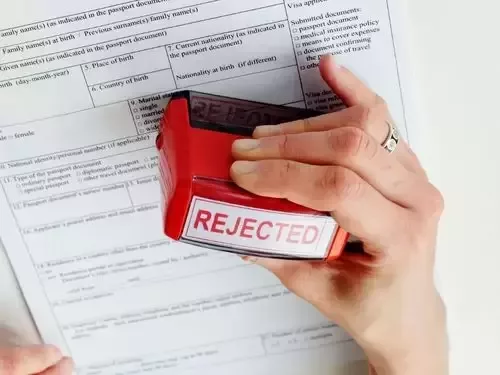
A UK visa refusal can be a frustrating and stressful experience, particularly for applicants who have invested significant time, money, and effort into the process. However, a refusal does not always mark the end of the road. In many cases, applicants have the legal right to appeal the decision, request an administrative review, or submit a fresh application with stronger evidence. Understanding which option applies to your situation and how to proceed correctly is critical to protecting your immigration goals.
This comprehensive guide explains how to appeal a rejected UK visa application, who is eligible to appeal, the step-by-step process, timelines, required documents, common mistakes to avoid, and alternative remedies if an appeal is not available. It is written for students, workers, family applicants, business travelers, and long-term migrants, with references to official UK government and legal sources throughout.
Understanding UK Visa Refusals
When a UK visa application is refused, the Home Office provides a written refusal notice explaining the reasons for the decision. These reasons are usually based on UK Immigration Rules and may relate to insufficient evidence, credibility concerns, financial requirements, English language requirements, or failure to meet specific eligibility criteria.
The refusal letter is the most important document in the process. It determines whether you have a right of appeal, a right to administrative review, or no right to challenge the decision other than reapplying. Official guidance on UK visa decisions is published by the UK Home Office at https://www.gov.uk.
Do All UK Visa Refusals Have a Right of Appeal
Not all UK visa refusals can be appealed. The right to appeal depends on the type of visa you applied for and the legal basis of the refusal.
Generally, you may have a right of appeal if your application involves human rights or family life under the European Convention on Human Rights. Common visa categories that often carry appeal rights include family visas, spouse or partner visas, child visas, and certain long-term settlement applications. You may also have a right of appeal in asylum and humanitarian protection cases.
In contrast, most work visas, student visas, and visitor visas do not carry a full right of appeal. Instead, these categories may offer an administrative review if you believe the Home Office made a caseworking error. Official information on appeal rights is available at https://www.gov.uk/appeal-visa-decision.
Appeal vs Administrative Review vs Reapplication
Before taking action, it is essential to understand the difference between the three main options available after a UK visa refusal.
An appeal involves asking an independent immigration judge to review the Home Office decision. This process is available only where appeal rights exist and often focuses on human rights or legal interpretation.
An administrative review is a request for the Home Office to re-examine the decision to identify whether a factual or legal error was made by the caseworker. It does not allow you to submit new evidence unless specifically requested.
A reapplication involves submitting a brand-new visa application with improved documentation, addressing the reasons for refusal directly. This option is often faster and more practical when appeal rights are not available.
The UK government explains these options clearly at https://www.gov.uk.
Who Can Appeal a UK Visa Refusal
You can appeal a UK visa refusal if your refusal letter explicitly states that you have the right to appeal. This is common in cases involving family reunification, refusal of leave to remain based on private or family life, and protection claims.
The refusal notice will also specify the deadline for lodging an appeal and whether the appeal must be made from inside or outside the UK. Missing the deadline usually results in losing your right to appeal, so acting promptly is essential.
Time Limits for Appealing a UK Visa Refusal
Appeal deadlines are strict and depend on your location at the time of refusal.
If you are outside the UK, you usually have 28 days from the date you received the refusal decision to lodge an appeal. If you are inside the UK, the deadline is typically 14 days.
These timeframes are confirmed by the UK tribunal system and should always be checked against the information in your refusal letter. Official tribunal guidance is available at https://www.gov.uk/courts-tribunals.
Step-by-Step Process to Appeal a UK Visa Refusal
The first step is to carefully review your refusal letter and identify the specific reasons for refusal and the immigration rules cited. Understanding the legal basis of the decision is critical, as appeals focus on whether the Home Office applied the law correctly.
The second step is to lodge your appeal with the First-tier Tribunal (Immigration and Asylum Chamber). Most appeals are submitted online using the official appeal service provided by HM Courts and Tribunals Service at https://www.gov.uk/immigration-asylum-tribunal.
During the appeal submission, you will need to provide your personal details, the Home Office reference number, grounds of appeal, and supporting documents. Grounds of appeal should clearly explain why the decision is wrong in law or fact, not simply restate your original application.
The third step involves preparing evidence. This may include financial documents, relationship evidence, communication records, expert reports, witness statements, and legal arguments. While some appeals focus on existing evidence, others allow additional documents, particularly in human rights cases.
The final step is attending the appeal hearing, if one is scheduled. Hearings may take place in person, by video, or by telephone. At the hearing, an immigration judge will review the evidence, hear arguments, and may ask questions before issuing a decision.
What Happens After the Appeal Hearing
After the hearing, the tribunal will issue a written decision. If your appeal is allowed, the Home Office must reconsider the application in line with the judge’s findings, and your visa is usually granted or reissued.
If your appeal is dismissed, you may still have options, such as applying for permission to appeal to the Upper Tribunal if there is an error of law, or submitting a fresh application if circumstances have changed.
Information on tribunal outcomes and next steps can be found at https://www.gov.uk.
Common Reasons UK Visa Appeals Fail
Many appeals fail because applicants misunderstand the purpose of an appeal. An appeal is not simply a chance to submit missing documents or argue fairness. It must demonstrate that the Home Office decision was legally incorrect, procedurally unfair, or breached human rights.
Other common issues include weak or inconsistent evidence, failure to address the specific refusal reasons, missing deadlines, and lack of legal structure in the grounds of appeal. Emotional arguments without legal support rarely succeed.
Role of Immigration Lawyers and Advisors
While it is possible to appeal without legal representation, many applicants benefit significantly from professional assistance. Immigration solicitors and regulated advisors understand tribunal procedures, legal standards, and evidential requirements.
In complex cases, particularly those involving family life, long residence, or human rights, professional representation can substantially improve the chances of success. Reputable immigration lawyers in the UK are regulated by the Solicitors Regulation Authority or the Office of the Immigration Services Commissioner. Official registers are available at https://www.sra.org.uk and https://www.gov.uk/government/organisations/office-of-the-immigration-services-commissioner.
Administrative Review as an Alternative
If your visa category does not carry appeal rights, you may be eligible for an administrative review. This option is common for Skilled Worker visas, Student visas, and certain points-based system applications.
Administrative reviews must usually be requested within 14 or 28 days, depending on location, and are submitted online. You must show that the Home Office made a caseworking error, such as miscalculating points or overlooking submitted evidence. Official guidance is available at https://www.gov.uk/administrative-review.
Reapplying After a UK Visa Refusal
In many situations, reapplying is the most efficient solution. A new application allows you to correct errors, provide stronger evidence, and address refusal reasons directly. There is no mandatory waiting period after most UK visa refusals, except in cases involving deception or bans.
However, repeated refusals can harm credibility, so it is essential to resolve the underlying issues before submitting a fresh application. The UK Home Office assesses application history, which is why careful preparation is critical.
Impact of a Visa Refusal on Future Applications
A UK visa refusal does not automatically prevent future applications, but it can influence decision-making if the same issues persist. Serious refusals involving false documents or misrepresentation can result in long-term bans under UK immigration rules.
Being transparent about previous refusals and demonstrating how issues have been resolved is essential for maintaining credibility. Official guidance on refusals and bans is outlined in UK Immigration Rules at https://www.gov.uk/guidance/immigration-rules.
Conclusion
Appealing a rejected UK visa application is a legal process that requires clarity, precision, and timely action. The key to success lies in understanding whether you have a right of appeal, choosing the correct remedy, and addressing the Home Office’s refusal reasons with strong legal and factual arguments.
While not every refusal can be overturned through an appeal, many applicants succeed by following the correct procedures, preparing robust evidence, and seeking professional guidance where necessary. By relying on official UK government resources, meeting strict deadlines, and approaching the process strategically, applicants can significantly improve their chances of reversing a refusal or securing a successful outcome through alternative routes.