
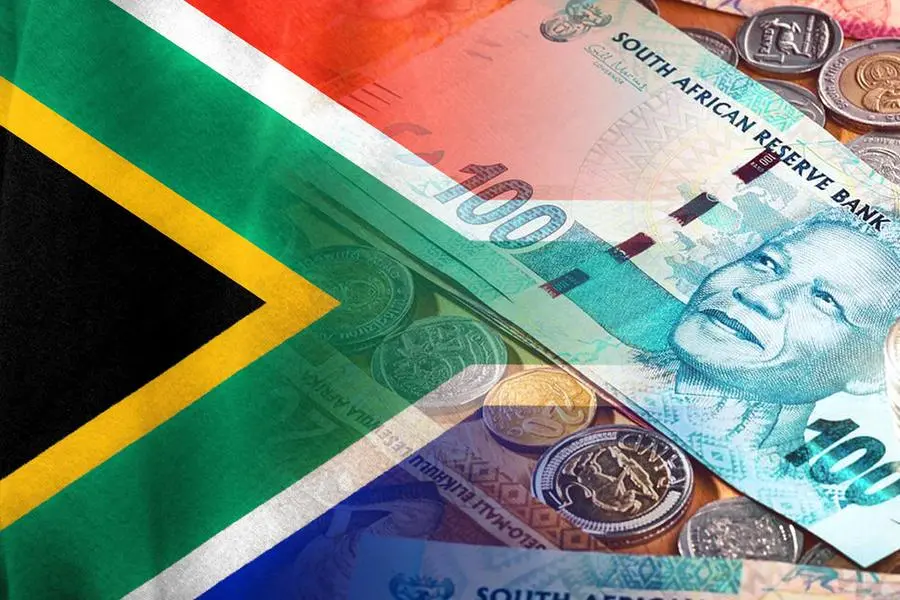
Interest rates play a central role in determining how much South Africans pay for loans over time. Whether you are applying for a personal loan, home loan, vehicle finance, or business funding, interest rate movements directly affect your monthly repayments, total loan cost, and long-term financial stability. For borrowers in South Africa, understanding how interest rates work is not optional, it is essential for responsible borrowing and effective financial planning.
This article provides a clear and in-depth explanation of how interest rates impact loan repayments in South Africa, why rates change, how lenders calculate repayments, and what borrowers can do to manage interest rate risk.
Understanding Interest Rates in South Africa
An interest rate is the cost of borrowing money, expressed as a percentage of the loan amount. In South Africa, interest rates are heavily influenced by national monetary policy and broader economic conditions.
At the center of the interest rate system is the South African Reserve Bank (SARB), which sets the repo rate. The repo rate is the rate at which commercial banks borrow money from the central bank, and it directly influences the interest rates banks charge consumers.
Official information on monetary policy can be found at:
https://www.resbank.co.za
When the repo rate changes, banks typically adjust:
- Prime lending rates
- Variable-rate loan products
- Mortgage and vehicle finance rates
As a result, changes in the repo rate ripple through the entire lending system.
The Relationship Between the Repo Rate and Prime Lending Rate
Most consumer loans in South Africa are linked to the prime lending rate, which is usually set a few percentage points above the repo rate.
For example:
- When the repo rate increases, banks raise the prime rate
- When the repo rate decreases, banks lower the prime rate
This relationship means that borrowers on prime-linked loans experience repayment changes whenever interest rates are adjusted.
Prime rate updates are commonly published by major banks and financial institutions, including:
https://www.standardbank.co.za
https://www.fnb.co.za
https://www.absa.co.za
https://www.nedbank.co.za
Fixed vs Variable Interest Rates in South Africa
One of the most important decisions borrowers make is whether to choose a fixed interest rate or a variable interest rate.
Variable Interest Rates
Most loans in South Africa operate on variable interest rates. These rates move in line with the prime lending rate.
Key characteristics include:
- Repayments can increase or decrease
- Borrowers benefit when rates fall
- Borrowers face higher costs when rates rise
Variable rates are common for home loans, personal loans, and business finance.
Fixed Interest Rates
Fixed interest rates remain unchanged for a set period, usually between one and five years.
Key features include:
- Predictable monthly repayments
- Protection against rate hikes
- Often higher initial interest rates
Fixed-rate options are sometimes available for home loans and vehicle finance but are less common for unsecured loans.
How Interest Rates Affect Monthly Loan Repayments
Interest rates directly influence how much you pay each month on a loan. When rates rise, repayments increase. When rates fall, repayments decrease.
For example:
- A small interest rate increase can add hundreds or thousands of rand to monthly repayments
- Long-term loans amplify the impact of interest changes
Loan repayment calculations are based on:
- Loan amount
- Interest rate
- Loan term
Borrowers can estimate changes using affordability and repayment calculators such as:
https://www.ooba.co.za/calculators
https://www.nedbank.co.za/content/nedbank/desktop/gt/en/personal/tools-and-calculators.html
The Long-Term Cost of Interest on Loans
Interest does not only affect monthly repayments, it significantly impacts the total amount repaid over the life of a loan.
Longer loan terms mean:
- More interest paid overall
- Lower monthly repayments
- Higher total loan cost
Shorter loan terms mean:
- Higher monthly repayments
- Less interest paid over time
Understanding this balance is critical when choosing loan duration.
Impact of Interest Rates on Home Loans in South Africa
Home loans are particularly sensitive to interest rate changes because they are long-term and typically involve large amounts.
When interest rates rise:
- Monthly bond repayments increase
- Household budgets become strained
- Default risk rises
When interest rates fall:
- Repayments decrease
- Borrowers may pay off loans faster
- Property affordability improves
Home loan regulations and consumer protections are overseen by the National Credit Regulator:
https://www.ncr.org.za
How Interest Rates Affect Personal Loans
Personal loans in South Africa often carry higher interest rates because they are unsecured.
Interest rate changes affect:
- Monthly repayment amounts
- Loan affordability assessments
- Approval likelihood
Because personal loans typically have shorter terms, rate increases can still have a noticeable impact on repayment pressure.
Vehicle Finance and Interest Rate Sensitivity
Vehicle loans are usually offered at fixed or semi-fixed rates but are still influenced by broader interest rate trends.
Rising interest rates can result in:
- Higher vehicle finance costs
- Reduced affordability
- Increased reliance on deposits
Car buyers should carefully compare offers and repayment terms before committing.
Interest Rates and Business Loans in South Africa
For small and medium enterprises, interest rates affect:
- Cash flow
- Expansion plans
- Profit margins
Variable-rate business loans can become more expensive during tightening cycles, forcing businesses to reassess growth strategies or refinance debt.
Business lending guidelines are often published by banks and development institutions such as:
https://www.sefa.org.za
How Credit Profiles Influence Interest Rates
Not all borrowers receive the same interest rate. Lenders assess risk based on:
- Credit scores
- Income stability
- Debt-to-income ratios
Borrowers with strong credit profiles often receive:
- Lower interest rates
- Better repayment terms
- Higher approval chances
Credit data in South Africa is managed by registered credit bureaus regulated by the National Credit Regulator.
Inflation, Interest Rates, and Borrowing Costs
Inflation is a key driver of interest rate decisions. When inflation rises, SARB may increase interest rates to control spending. When inflation falls, rates may be reduced to stimulate economic activity.
This relationship means that:
- High inflation leads to higher borrowing costs
- Stable inflation supports lower interest rates
Understanding inflation trends helps borrowers anticipate potential rate changes.
Strategies to Manage Interest Rate Risk
Borrowers can reduce exposure to interest rate volatility by:
- Choosing shorter loan terms where possible
- Making extra repayments when rates are low
- Considering partial fixed-rate options
- Avoiding overextension
These strategies can significantly reduce total interest paid over time.
Refinancing and Interest Rate Changes
Refinancing allows borrowers to replace an existing loan with a new one, often at a lower interest rate.
Refinancing may be beneficial when:
- Interest rates fall
- Credit scores improve
- Financial circumstances stabilize
However, refinancing costs and fees must be carefully evaluated.
Legal Protections for Borrowers in South Africa
South African borrowers are protected under the National Credit Act (NCA), which regulates:
- Interest rate caps
- Disclosure requirements
- Affordability assessments
Consumer rights and compliance information can be accessed via:
https://www.ncr.org.za
These protections aim to prevent reckless lending and protect borrowers from unfair practices.
Common Mistakes Borrowers Make Regarding Interest Rates
Common errors include:
- Focusing only on monthly repayments
- Ignoring total loan cost
- Underestimating future rate increases
- Accepting the first loan offer
Comparing multiple offers is essential to securing favorable terms.
Frequently Asked Questions
Why do loan repayments increase when interest rates rise?
Higher interest rates increase the cost of borrowing, leading to higher monthly repayments on variable-rate loans.
Do all loans in South Africa change with interest rates?
No. Fixed-rate loans remain unchanged for the fixed period, while variable-rate loans adjust with prime rate movements.
Can I switch from a variable rate to a fixed rate?
Some lenders allow this, but it may involve fees or higher interest rates. Borrowers should assess the long-term cost.
How often do interest rates change in South Africa?
Interest rates are reviewed periodically by the South African Reserve Bank, typically every few months.
Does improving my credit score lower my interest rate?
A stronger credit profile can lead to better interest rate offers, especially when refinancing or applying for new loans.
Final Thoughts
Interest rates have a direct and powerful impact on loan repayments in South Africa, influencing affordability, total loan cost, and financial security. Whether you are a homeowner, car buyer, business owner, or personal loan applicant, understanding how interest rates work empowers you to make informed borrowing decisions.
By monitoring rate trends, maintaining a strong credit profile, and planning strategically, borrowers can manage interest rate risk and protect their long-term financial well-being.